
Exploring and Understanding the Essence and Roots of Ayurveda: A Journey into the Timeless Science of Life
Kevala Yoga Wellness | NOV 9, 2024
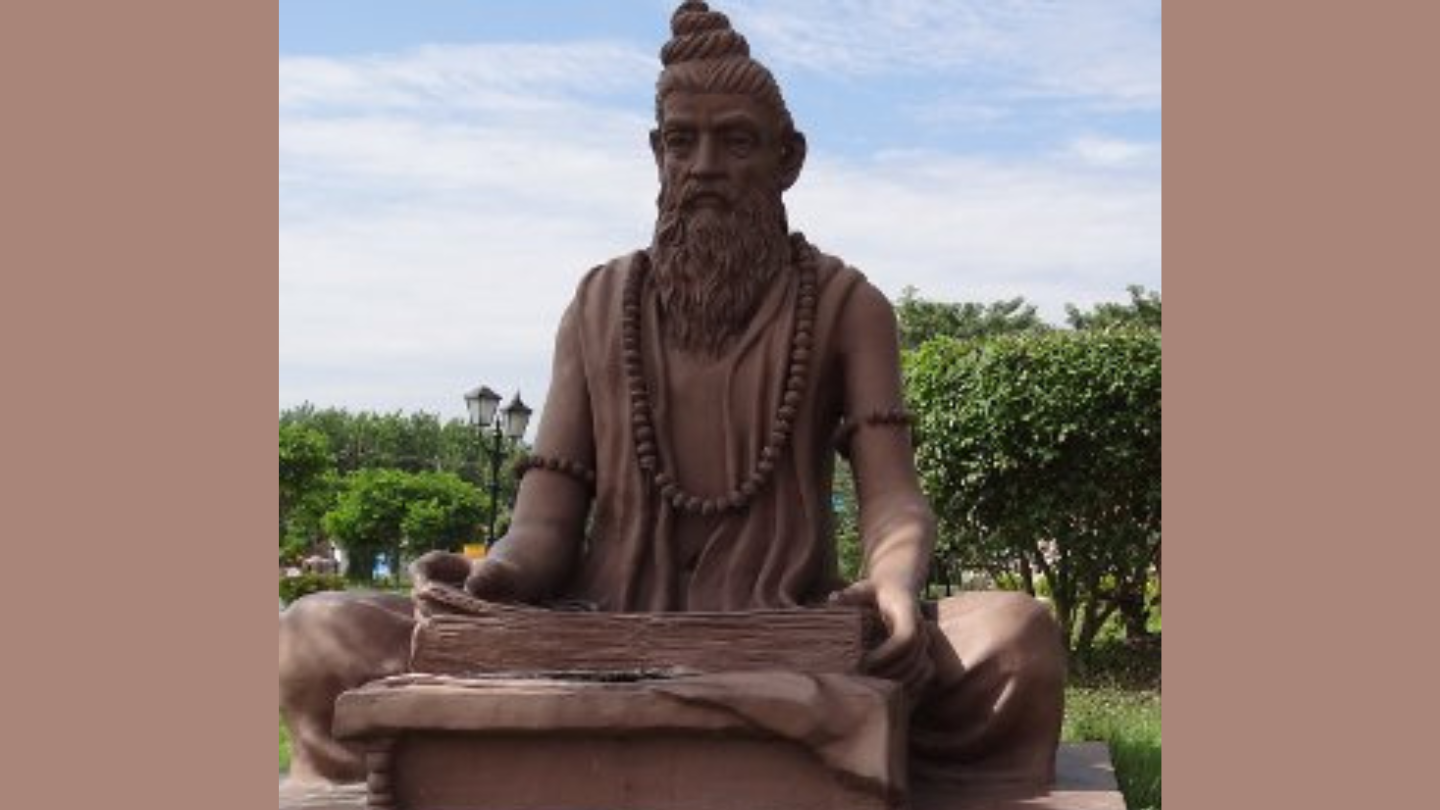
Ayurveda is derived from two Sanskrit words: "Ayus" meaning life or longevity, and "Veda," meaning knowledge. Thus, Ayurveda simply translates to the "knowledge of life" or the "science of life." It is a timeless study that predates written literature, passed down through generations of Rishis and Gurus via oral traditions - श्रुति (Shruti), meaning "that which is heard," and स्मृति (Smriti), meaning "that which is remembered." In simple terms, Ayurveda goes beyond being just an ancient and traditional system of medicine; it is a holistic science that seeks to understand the intricate workings of the universe and our existence within it, guiding us on how to live a balanced, healthy life by harmonizing ourselves with the universe.
In ancient times, many people had a strong understanding of the basic principles of Ayurveda, as these practices were a common and profound way of life. They were not just followed for spiritual purposes but also for practical and survival reasons. For example, when modern medicine didn’t exist, if someone suffered an open wound, how would they treat it? Or if surgery was needed, how was it performed? The Sushruta Samhita, one of the oldest and most revered Ayurvedic texts, provides detailed descriptions of surgical techniques and medical practices. It is considered a foundational text in the field of Ayurveda and offers insights into ancient surgical methods, anatomy, and the principles of healing. We will elaborate further on this text in our blog, but the key point is that Ayurveda is not just about using herbs and roots - it is a complete, systematic, and comprehensive medical science. Just as the universe contains numerous causes of diseases, it also holds their prevention and cures. If there is poison in nature, its antidote also exists in nature. The ancient yogis and gurus, through their enlightenment, understood the full scope of this balance and the wisdom of how it functions.
Given the vast and intricate nature of this science, understanding it is not a short-term or simple process. It requires dedication, focus, and most importantly, a trusted source of knowledge. In today’s world, we are both blessed and cursed by the internet, where an overwhelming amount of information exists, and numerous commentaries often present differing opinions and slight variations. The most reliable way to explore and understand Ayurveda remains through authentic Gurus or the ancient scriptures written by Rishis and Yogis. A Guru is essential for understanding the ancient texts; without their guidance, it is easy to misinterpret or lose the essence of the teachings.
It is not necessary to know everything about this vast science. The extent of learning depends on the individual’s interest. However, partial knowledge of any concept can be misleading. To truly benefit, one must strive to understand the concepts fully. Even if you do not grasp the entire science, understanding key principles thoroughly allows for deeper contemplation and practical application in life.
Learning Ayurveda is an ongoing journey. The process of fully understanding the concepts takes time and patience. With the guidance of a Guru and faith in their teachings, and the essential elements of right intentions and honest effort, the wisdom of Ayurveda will gradually unfold, enriching your life and well-being as you progress on your learning journey.
Now, let's explore how the timeless knowledge and wisdom of Ayurveda came into existence. According to ancient scriptures, everything mentioned in Ayurveda is a scientific truth that innately exists, encompassing the fundamental truths of the universe and how it functions. To discover, interpret, and truly understand this vast and universal truth, one requires a higher level of consciousness. This is where the Vedic Rishis and sages play a crucial and profound role. With their elevated consciousness and spiritual awakening, they were able to interpret this universal truth, absorb immense knowledge, and transmit it to the world. Initially, this wisdom was passed down through oral traditions, and later, the Rishis and Yogis began documenting it in written form.
For example, The Bṛhat-Trayī, literally translated as "The Great Triad," refers to three vast, ancient, and revered scriptures of Ayurveda: the Charaka Samhita, Sushruta Samhita, and Ashtanga Hridayam Samhita. Let’s explore an overview of these three foundational texts of Ayurveda.
The Charaka Samhita, where Charaka is the name of a Rishi and the word Samhita means "to put together," "compile," or "union," was written by Maharishi Charaka, who is also known as the father of Ayurveda. Today, it is considered one of the oldest and most revered texts on Ayurveda, dating back to the 1st century BCE. Interestingly, the Charaka Samhita has its own history, rooted in the earlier Agnivesha Samhita. The Agnivesha Samhita was written by Maharishi Agnivesha, who was a chief disciple of Maharishi Punarvasu Atreya. Maharishi Atreya passed down the knowledge of Ayurveda to his disciple through oral traditions. Dating back to 1500 BCE, the Agnivesha Samhita is considered a foundational Ayurvedic text, though it was lost over time. The Agniveshatantra consisted of 12,000 verses, and using this text as the basis, Maharishi Charaka interpreted and compiled the Ayurvedic teachings into what is now known as the Charaka Samhita.
In the Sutra Sthana, the first section of the Samhita, Maharishi Charaka presents a Sanskrit shloka that defines Ayurveda in simple and clear terms:
हिताहितं सुखं दुःखमायुस्स तस्य हिताहितम्।
मानं च तच्च यत्रोक्तमायुर्वेदः स उच्यते॥
This shloka explains that Ayurveda is the science of life that distinguishes what is beneficial (hita) and harmful (ahita) to health, how these factors influence happiness, suffering, and longevity, and the principles for measuring and maintaining them.
The Charaka Samhita is a detailed and comprehensive text divided into eight sections, or Sthanas, containing a total of 120 chapters. Each section offers valuable insights into maintaining well-being and understanding the causes of diseases, along with their prevention and cure, emphasizing the holistic nature of health and life. The eight sections of the text are:
Sutra Sthana (General Principles) – This section comprises 30 chapters, dealing with the general principles and philosophy of leading a balanced and healthy life. It emphasizes preventive care through healthy living and harmonious existence with nature.
Nidana Sthana (Pathology) – With 8 chapters, this section explores the causes of various diseases, focusing on understanding disease origin.
Vimana Sthana (Specific Determination) – This section, consisting of 8 chapters, explains essential concepts such as physician training, medical ethics, pathology, diet, nutrition, and the taste of medicines.
Śarira Sthana (Anatomy) – The 8 chapters of this section focus on human anatomy, offering insights into the structure of the human body.
Indriya Sthana (Sensory Organ-Based Prognosis) – In 12 chapters, this section delves into prognosis and diagnosis, often based on the sensory responses of patients.
Cikitsa Sthana (Therapeutics) – There are 30 chapters in this section, addressing various treatments, medicines, and the management of diseases.
Kalpa Sthana (Pharmaceutics and Toxicology) – This section has 12 chapters dedicated to pharmacy, including the preparation and dosage of medicines, signs of misuse, and dealing with poisons.
Siddhi Sthana (Success in Treatment) – The 12 chapters in this section discuss the signs of successful treatment, hygiene, and strategies for maintaining healthier living.
The Sushruta Samhita is a profound and foundational text of Ayurveda, attributed to Sage Sushruta, a yogi and maharishi, who was the son of the Brahmarishi Vishwamitra. It was Vishwamitra, the great yogi and sage, who gifted the revered Gayatri Mantra to humankind. Rishi Sushruta was a disciple of Divodasa Dhanvantari, a legendary king of Kashi (modern-day Varanasi), who imparted this detailed knowledge of Ayurveda to his disciple.
The Sushruta Samhita dates back to the 1st–2nd century BCE, though the knowledge it contains was passed down through generations of rishis and yogis via oral traditions before it was written down. Alongside the Charaka Samhita, the Sushruta Samhita covers a wide range of subjects related to medicine and health care. However, the key distinction between the two texts is that the Sushruta Samhita primarily focuses on Shalya Tantra, or the science of surgery.
For example, Yogi Sushruta's method of Nasa Sandhana (Rhinoplasty), where a skin graft from the forehead was used to reconstruct the nose, demonstrates surgical precision far ahead of its time. He also meticulously described procedures such as Ashmari Bhedana (Bladder stone removal) and Lensa Apaharanam (Cataract extraction), utilizing techniques like Vedhya (Incision) and Chhedya (Excision) for precise tissue cutting and removal. Additionally, his use of Agni Karma (Thermal cauterization) for wound sterilization and Raktamoksha (Bloodletting) for treating inflammatory conditions highlight his comprehensive surgical approach.
The text is divided into six sections (Sthanas), comprising 186 chapters:
Sutra Sthana (Fundamental Principles) – 46 chapters
Discusses foundational Ayurveda concepts, including surgical techniques and treatment methods.Nidana Sthana (Diagnosis) – 16 chapters
Focuses on the diagnosis of diseases, their causes, and symptoms.Sharira Sthana (Anatomy) – 10 chapters
Covers human anatomy, embryology, and the study of the human body in relation to surgery.Chikitsa Sthana (Therapeutics) – 40 chapters
Outlines various treatments, including surgical procedures and post-surgical care.Kalpa Sthana (Toxicology) – 8 chapters
Deals with poisons, their effects, antidotes, and the treatment of poisonings.Uttara Tantra (Supplementary Section) – 66 chapters
Discusses treatments for diseases affecting the eye, ear, nose, throat, skin, and general medical disorders.
The Ashtanga Hridayam was written by Sage Vagbhata in the 7th century CE, the son of Simhagupta and a pupil of Sage Avalokita. It is chronologically positioned after the Charaka Samhita and the Sushruta Samhita. The text consists of 120 chapters, divided into six sections, each containing a varying number of chapters. The term Ashtanga Hridayam literally translates to "the essence of eight sections" or "The Heart of the Eight Branches," reflecting its coverage of the Eight Branches of Ayurveda, which are: Kaya Chikitsa (Treatment of the body), Bala Chikitsa (Pediatrics), Graha Chikitsa (Psychiatry), Urdhvaanga Chikitsa (ENT and Ophthalmology), Shalya Chikitsa (Surgery), Shalakya Chikitsa (Treatment of diseases above the neck), Rasaayana (Rejuvenation therapy), and Vajikarana (Aphrodisiac therapy). While heavily inspired by earlier Ayurvedic works like the Charaka Samhita and Sushruta Samhita, Ashtanga Hridayam is considered more accessible due to its concise writing style, often regarded as a synthesis of the knowledge found in these earlier texts.
In conclusion, Yoga and Ayurveda are deeply interconnected, akin to two rivers flowing toward the same ocean - the ocean of harmony with ourselves, the universe, and a balanced, healthy lifestyle. Together, they guide us toward a holistic life, helping us gain control over our senses and mind. At their core, Yoga and Ayurveda are not merely practices but a way of life, offering simple yet profound guidance to navigate the complexities of existence. Ultimately, they lead us to connect with our true self, harmonizing our being with the energies beyond. A yogi seeking enlightenment embraces these principles, as they provide universal truths and illuminate the path to spiritual awakening.
Kevala Yoga Wellness | NOV 9, 2024
Share this blog post